
|
異鄉異客 |
Stranger in a Strange Land |
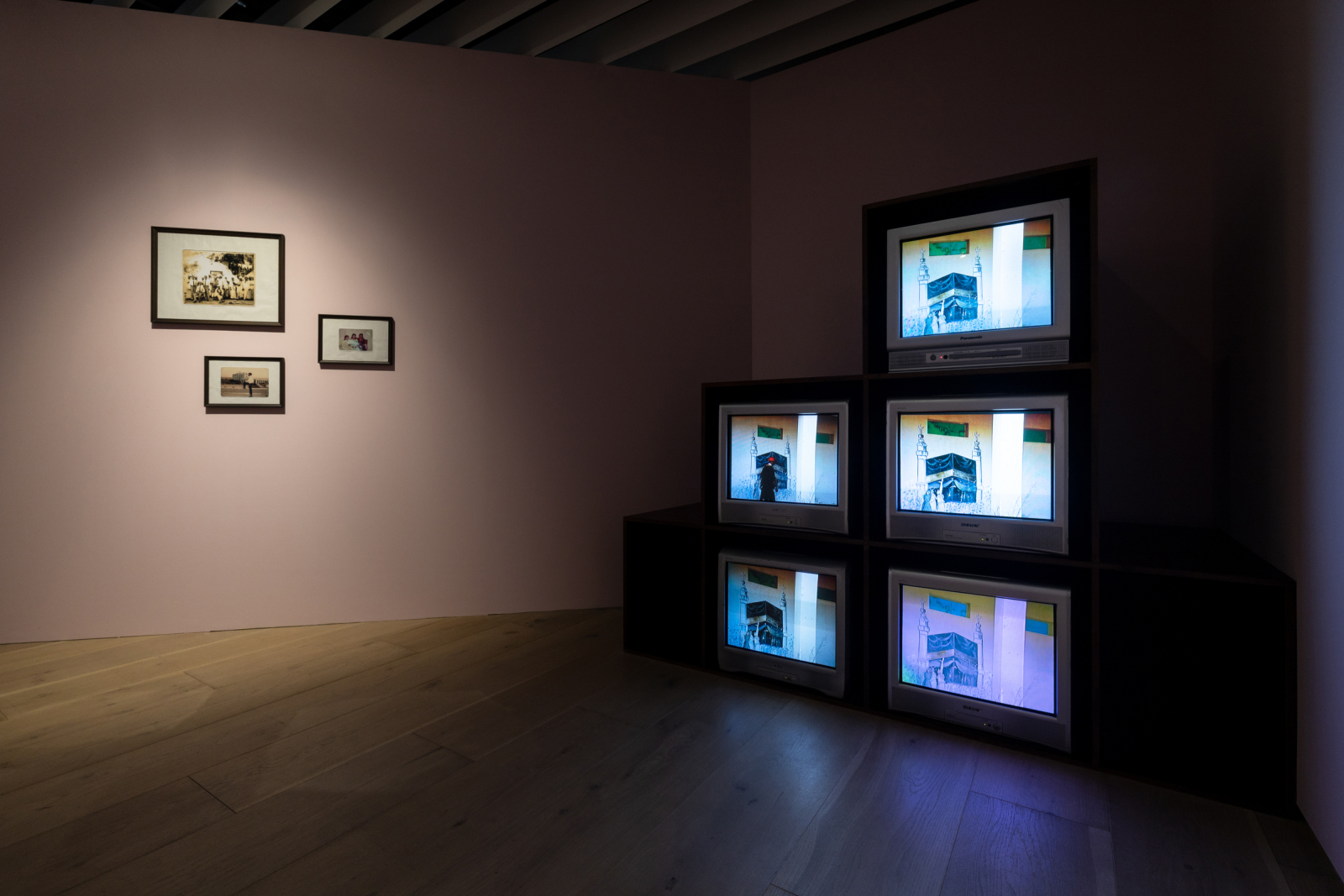
斯里蘭卡藝術家阿布都.哈里克.阿濟茲的作品長期探討全球化與在地之間的關係,其創作〈異鄉異客〉結合了家庭影帶和流行文化元素,嘗試討論在全球化之中大量流向中東的南亞勞動力。
藝術家透過家族相簿、家人的訪談、傳統及流行符號,透過蒙太奇式的拼貼與自身的成長歷程交織成特殊的影音敘事。
Sri Lankan artist Abdul Halik Azeez’s works consistently explore the intricate relationship between globalization and local contexts. Merging home video footage with pop culture elements, his work Stranger in a Strange Land examines the massive, globalization-driven influx of South Asian labor into the Middle East.
The artist weaves a sui generis audiovisual narrative by reference to his coming-of-age story and a montage-style collage of family photo albums, interviews with relatives, as well as traditional and popular symbols.
作品說明About Artworks (from Artist)
在〈異鄉異客〉中,藝術家阿布都.哈里克.阿濟茲透過回憶與虛構的視角,梳理了被忽視的斯里蘭卡穆斯林歷史。由於缺乏正式的文獻記錄,他轉向口述敘事、家庭相簿、被重新發現的散失媒體,以及流行文化殘片,建構出多層次的自我描述。
這部影片追溯斯里蘭卡於1970年代的新自由主義轉向,以及自1980年代起重塑該國的兩次內戰,其背景交織著流向中東的勞力遷徙、宗教狂熱的興起、南印度電影的奇觀、家庭成員的影音紀錄,以及對藝術家本人產生影響的事物(例如重金屬音樂)。阿濟茲將私密記憶投射至更宏大的地緣政治架構中,將親身經驗置於轉型歷史的背景下,從而挑戰關於穆斯林身分認同的大一統敘事。
In Stranger in a Strange Land, artist Abdul Halik Azeez charts the overlooked histories of Sri Lankan Muslims through the lens of recollection and fabulation. Confronted with the absence of formal documentation, he turns to oral narratives, family photo albums, found media, and fragments of popular culture to construct a layered account of selfhood.
The film traces the neoliberal shifts of the 1970s and the dual civil wars that reshaped Sri Lanka from the 1980s onward, set against labor migration to the Middle East, rising religiosity, the spectacle of South Indian cinema, audio and video recordings from family members, and the artist’s own influences such as heavy metal music. By casting intimate memories within broader geopolitical frameworks, Azeez situates lived experience against histories of transformation, and in doing so, challenges monolithic narratives of Muslim identity.
*本影片由沙迦藝術基金會製作資助金支持
Supported by the Sharjah Art Foundation Production Grant
|
世界地圖集 |
Great World Atlas |
作品說明About Artworks (from Artist)
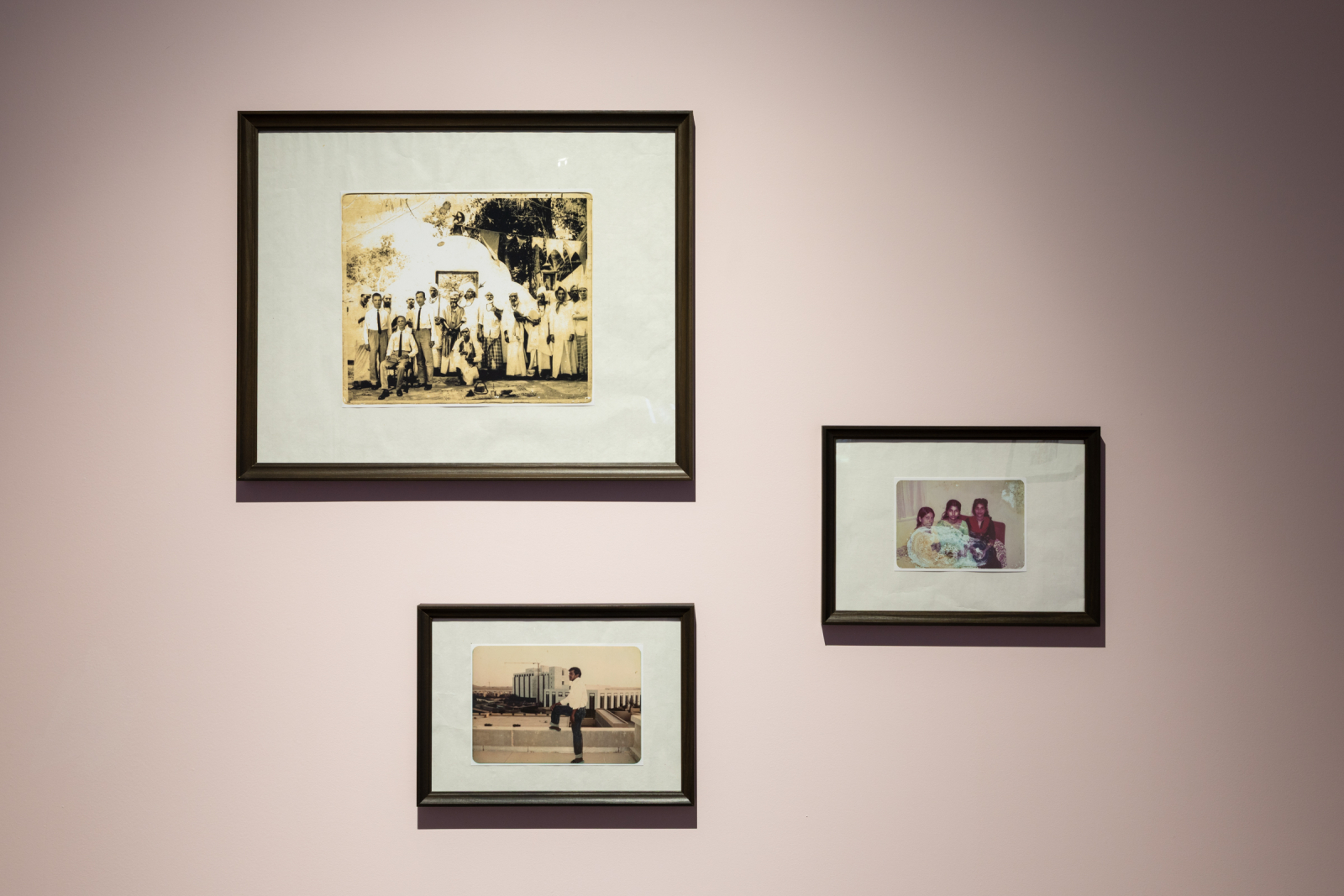
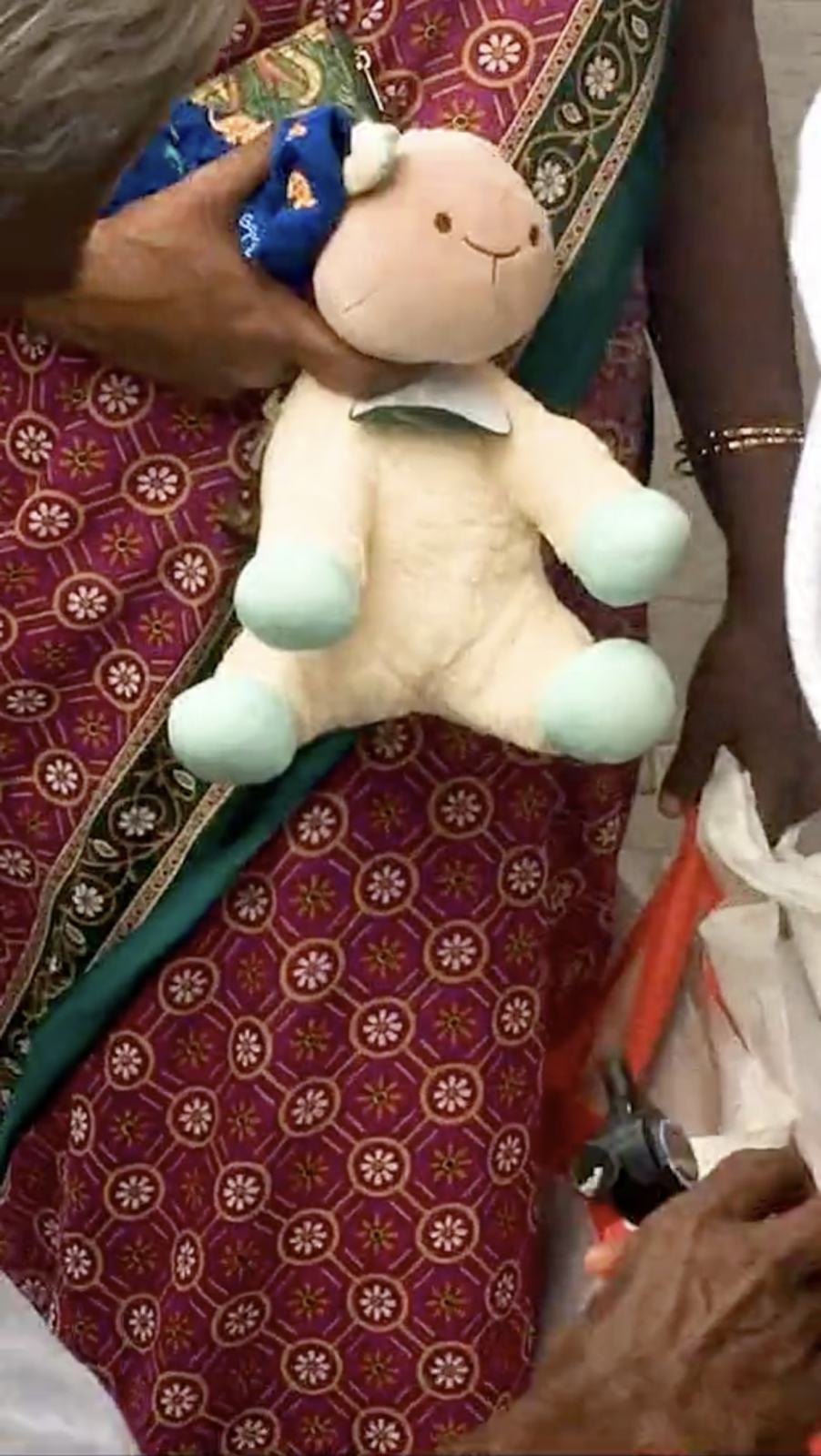
此作品源自於《沙漠之夢》系列,始於 2019 年並歷經多個階段與版本的發展。曾以裝置、影像作品與出版品等不同形式呈現。每一次的呈現都是一次表現形式上的實驗,並在下一次展出時持續轉化、演變。
Begun in 2019 and from the series Desert Dreaming, the work has progressed in multiple iterations. Azeez has created installations, video work and publications. Each iteration is an experiment in expression, which then morphs and changes in its next showing.
|
世界級城市 |
World Class City |
作品說明About Artworks (from Artist)
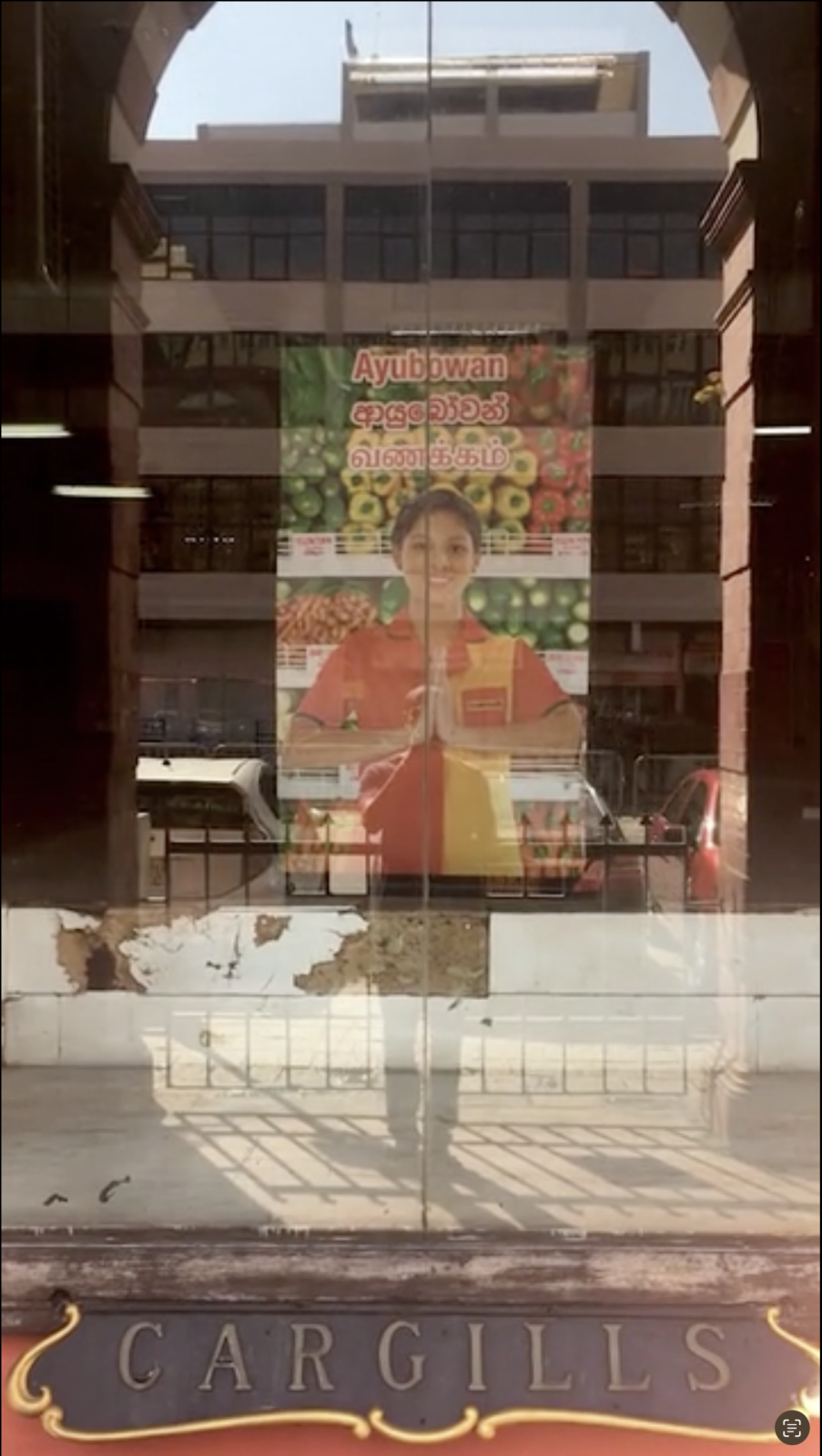
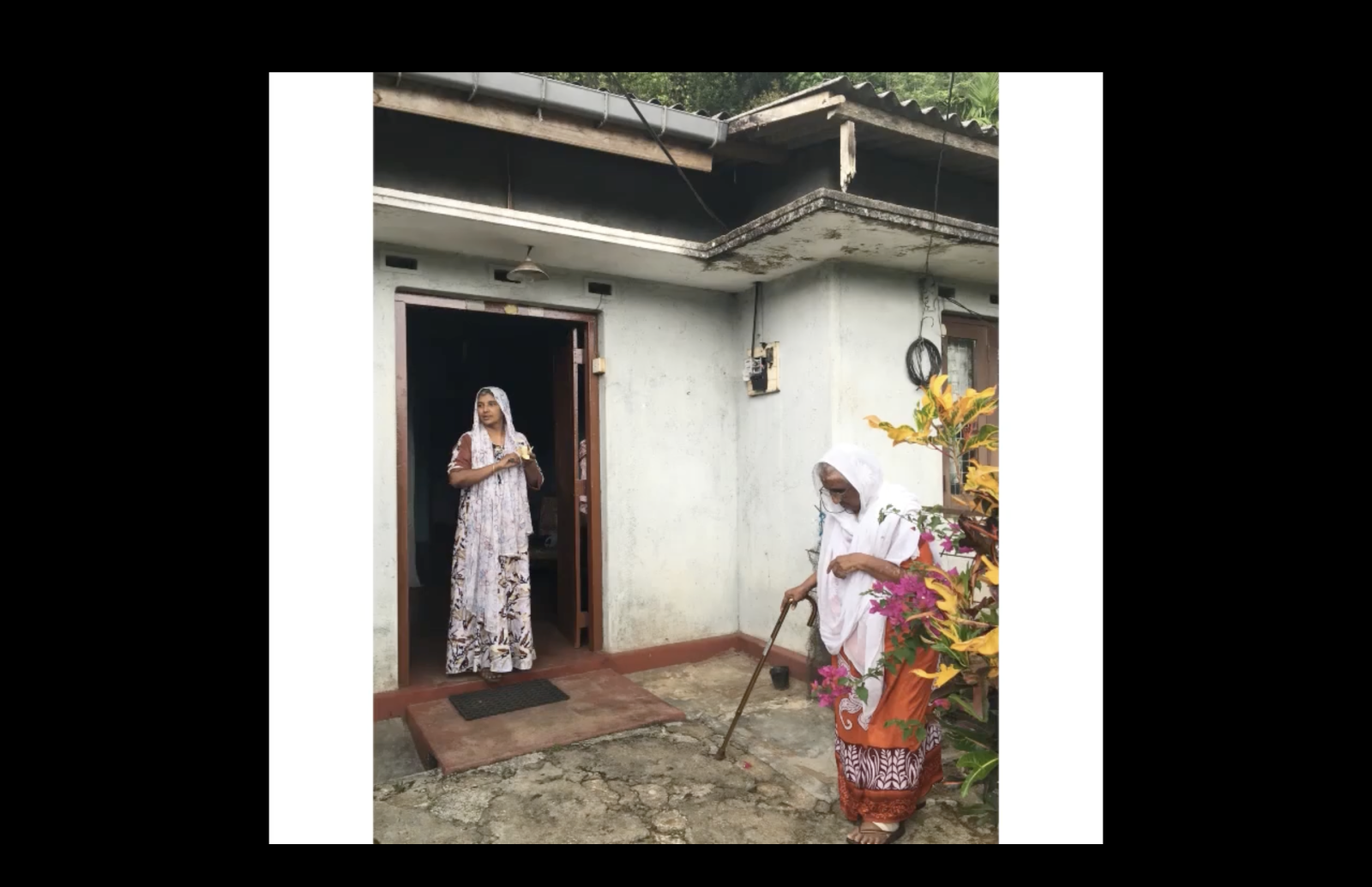
在〈世界級城市〉中,阿布都.哈里克.阿濟茲反思了斯里蘭卡近期分裂政治的案例,包括他曾以記者身分報導過的復活節爆炸案。這些案例發生在斯里蘭卡追求西方資本主義基調發展的背景下,而這種追求發展的渴望形塑了該國的戰後政治脈絡與基礎建設。本作品剪輯自阿濟茲習慣以手機拍攝的日常所見,並搭配運用城市現場錄音創作而成的音樂,探討具體現實處境與新自由主義想望投射之間的分裂與鴻溝。
In World Class City, Abdul Halik Azeez reflects on recent instances of divisive politics in Sri Lanka, including the Easter Bombings on which he reported as a journalist, against the backdrop of aspirations for development in the Western, capitalist tenor which has shaped the post-war political context and infrastructure in the country. Edited together from footage gathered through the artist’s practice of regularly capturing everyday sights and sounds as they unfold on his mobile phone, and using music created using field recordings from the city, the work addresses the schisms and rifts between lived realities and projections of neoliberal desire.
|
沒圖沒真相/記憶 |
Pics or It Didn’t Happen / Memory |
作品說明About Artworks (from Artist)
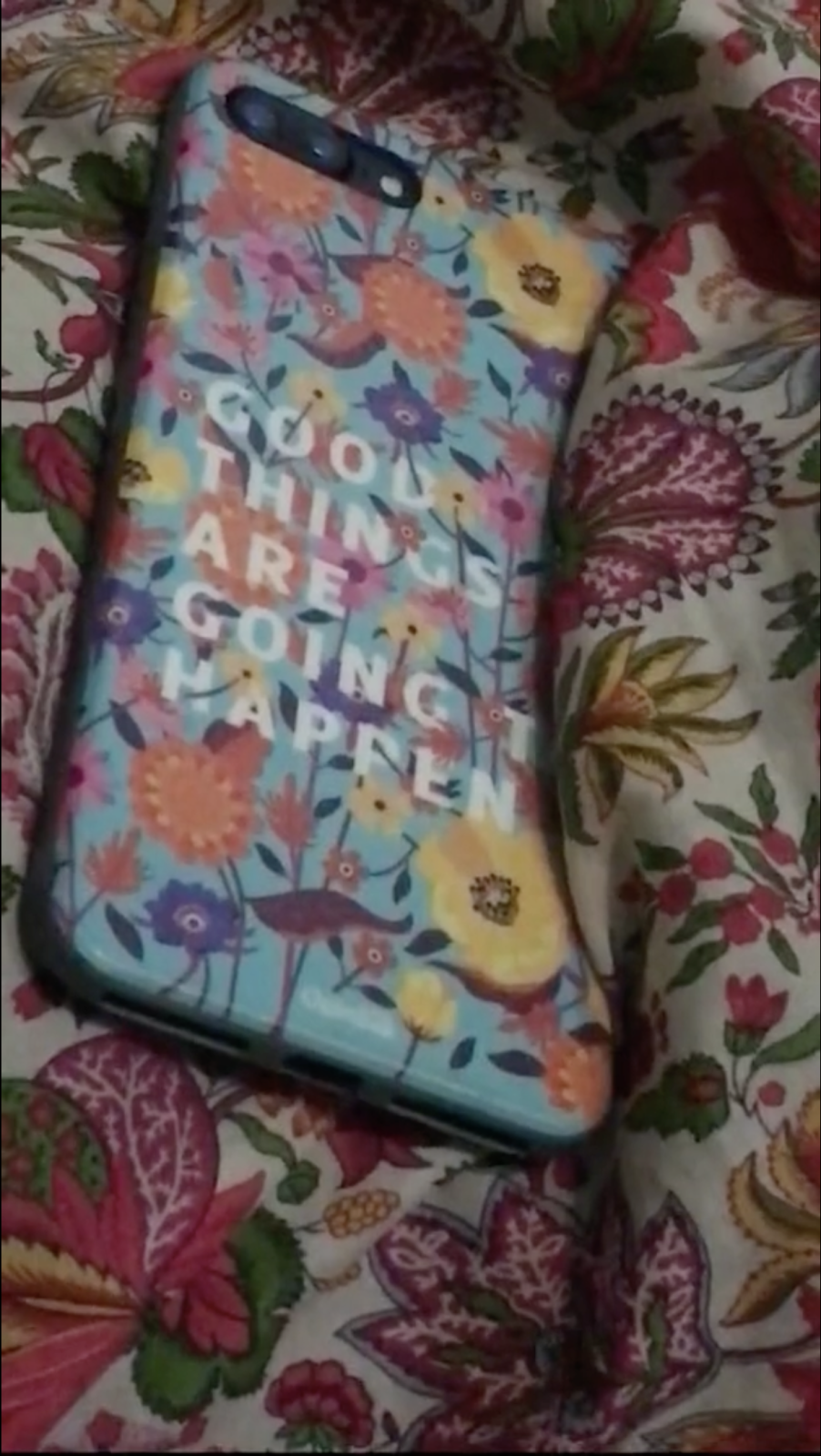
〈沒圖沒真相/記憶〉重新播放藝術家於2016年2月至7月期間在可倫坡擔任攝影師的生活影像日記。這份個人紀錄記載了可倫坡這座城市充滿張力的戰後都市轉型,並將諸多靜止的瞬間串聯成一部「意識流」影片。這些影像轉瞬即逝,難以捉摸;它們重疊交融,敘事的速度與間斷模糊了時間感和空間感。儘管如此,這片混沌之中仍不乏令人震驚的清晰時刻。本作品是由一位參與並批判性地反思世界再現方式的數位公民所創作,它揭示了人們無時無刻想用手持裝置捕捉生活的衝動,以及新科技如何扭曲並延伸生活。
Pics or It Didn’t Happen / Memory replays a visual diary of the artist’s life as a photographer in Colombo from February to July 2016. This is a personal record made whilst documenting the charged post-war urban transformation of the city, where still moments strung into a “stream of consciousness” video. The images are fleeting and often hard to grasp, they overlap and merge together and the speed and gaps in the narrative can blur the sense of time and space. Despite this, moments of startling clarity present themselves in the mix. As a product of a digital citizen who participates in and critically reflects on how the world is represented, the work acknowledges the incessant need to capture life on our handheld devices, distorting and extending it through new technologies.
關於藝術家 About Artist
阿布都.哈里克.阿濟茲
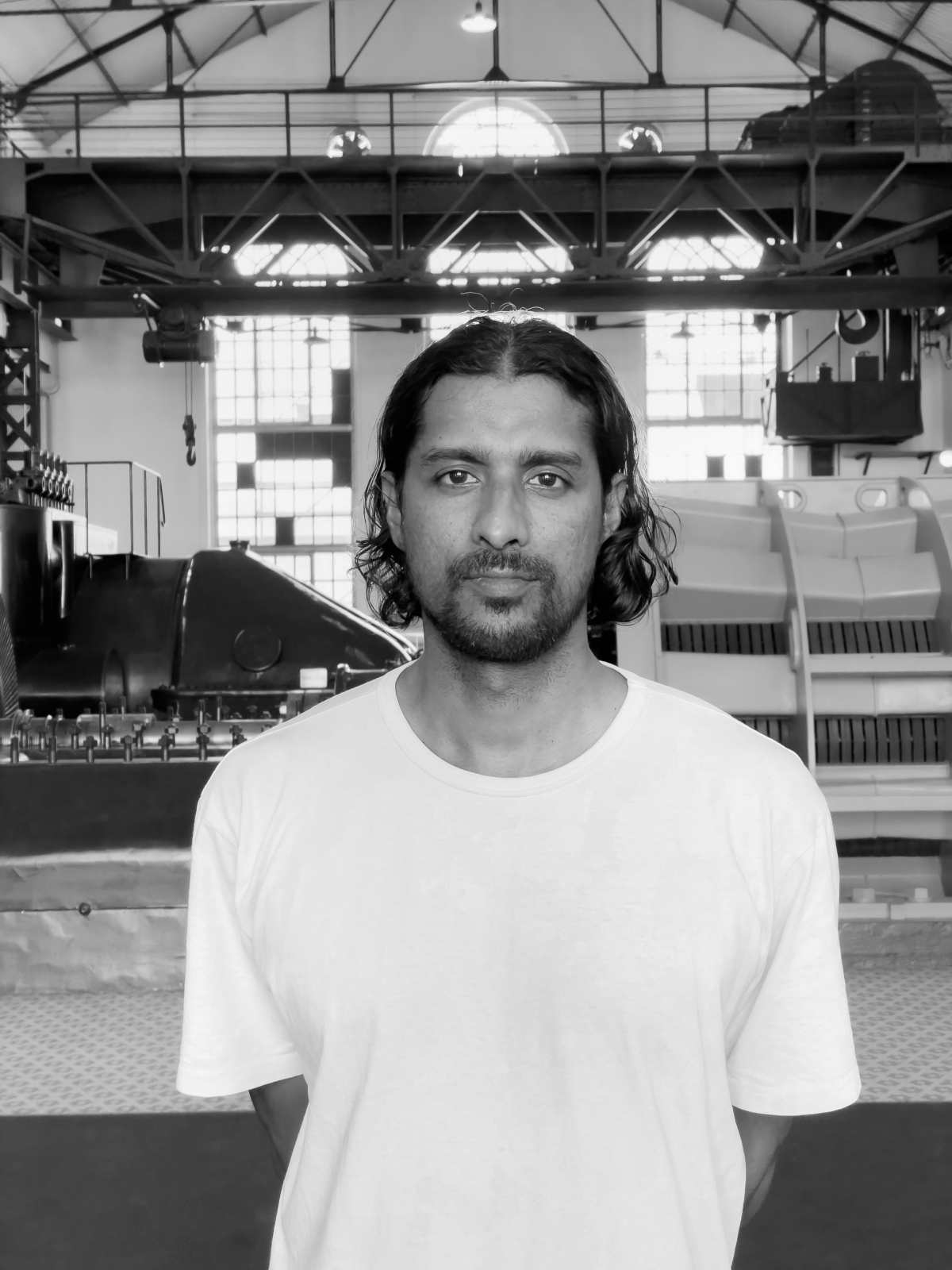
阿布都.哈里克.阿濟茲常駐於斯里蘭卡可倫坡。他是一位跨領域藝術家,具有很強的組織能力。其作品探討殖民主義、晚期資本主義、記憶/歷史建構,以及身分認同政治之間的關係。他擁有格拉納達大學的語言學碩士學位,以及可倫坡大學的金融經濟學碩士學位。在全職投入藝術創作之前,他曾從事多年的記者、經濟學家,以及批判論述分析師等工作。他是2019年成立的藝術團體「The Packet」的共同創辦人。他的作品曾於亞太當代藝術三年展(2024)、巴西聖保羅錄像雙年展(2023)、柏林國際影展(2023),以及第十五屆卡塞爾文件展(2022)中展出,並獲邀參與德爾菲娜基金會(2025)、孤獨城堡學院(2025-2026)、阿薩卡藝術基金會(2025)、克勞斯親王基金(2023),以及沙迦藝術基金會(2022)的駐村與獎助計畫。
Abdul Halik Azeez
Abdul Halik Azeez is based in Colombo, Sri Lanka. A multidisciplinary artist and organizer, his work explores relationships between colonialism, late capitalism, memory/history making, and identity politics. Azeez has a MA in Linguistics from the University of Granada, and an MA in Financial Economics from the University of Colombo. He spent many years practicing as a journalist, economist, and critical discourse analyst before turning to art practice full time. He is co-founder of The Packet, a collective formed in 2019. He has exhibited at the Asia Pacific Triennial (2024), Videobrasil (2023), Berlinale (2023) and documenta fifteen (2022), and received invitations to residencies and fellowships with the Delfina Foundation (2025), Akademie Schloss Solitude (2025-2026), Alserkal Arts Foundation (2025), Prince Claus Fund (2023) and the Sharjah Art Foundation (2022).