
|
貨幣——感知2:拉迪波 |
The Currency - Sensing 2: Ladipo |
多哥藝術家「Elom 20ce」、臺灣藝術家致穎及德國藝術家格雷戈爾.卡斯帕長期關注非洲大陸上的全球化議題。藝術家們這次將視角望向西非最大數位廢棄物處理集散地,迦納的阿格博格布洛謝以及西非重要汽車零件拆卸及交易地:奈及利亞的拉迪波。這些社區承受著先進國家(包括臺灣在內)大量生產之後的廢棄產品,卻必須要在缺乏防護及安全的情境下為了生計而進行各種拆卸及撿拾的工作。
此次展出阿格博格布洛謝的工匠如何將數位廢棄物中的貴金屬重新打造成傳統戒指,而藝術家「Elom 20ce」則穿著薩滿儀式服裝,設法在拉迪波的汽車零件集散市集中尋找「被拋棄的聲音」。
Togolese artist Elom 20ce, Taiwanese artist Musquiqui Chihying, and German artist Gregor Kasper have a long-standing focus on the impacts of globalization across Africa. For this exhibition, the artists turn their gaze toward Agbogbloshie in Ghana, West Africa’s largest e-waste processing and distribution hub, as well as Ladipo in Nigeria, West Africa’s nerve center for automobile parts dismantling and trading. These communities bear the brunt of the mass-produced, discarded products from advanced countries (Taiwan included), with locals forced to dismantle and scavenge these materials for their livelihoods, often devoid of any protective gear or safety measures.
In this exhibition, these artists’ works reveal how artisans in Agbogbloshie recast precious metals salvaged from e-waste into traditional rings, while artist Elom 20ce, donning shamanic ritual attire, attempts to seek out “abandoned voices” within the chaotic auto parts market of Ladipo.
作品說明About Artworks (from Artist)
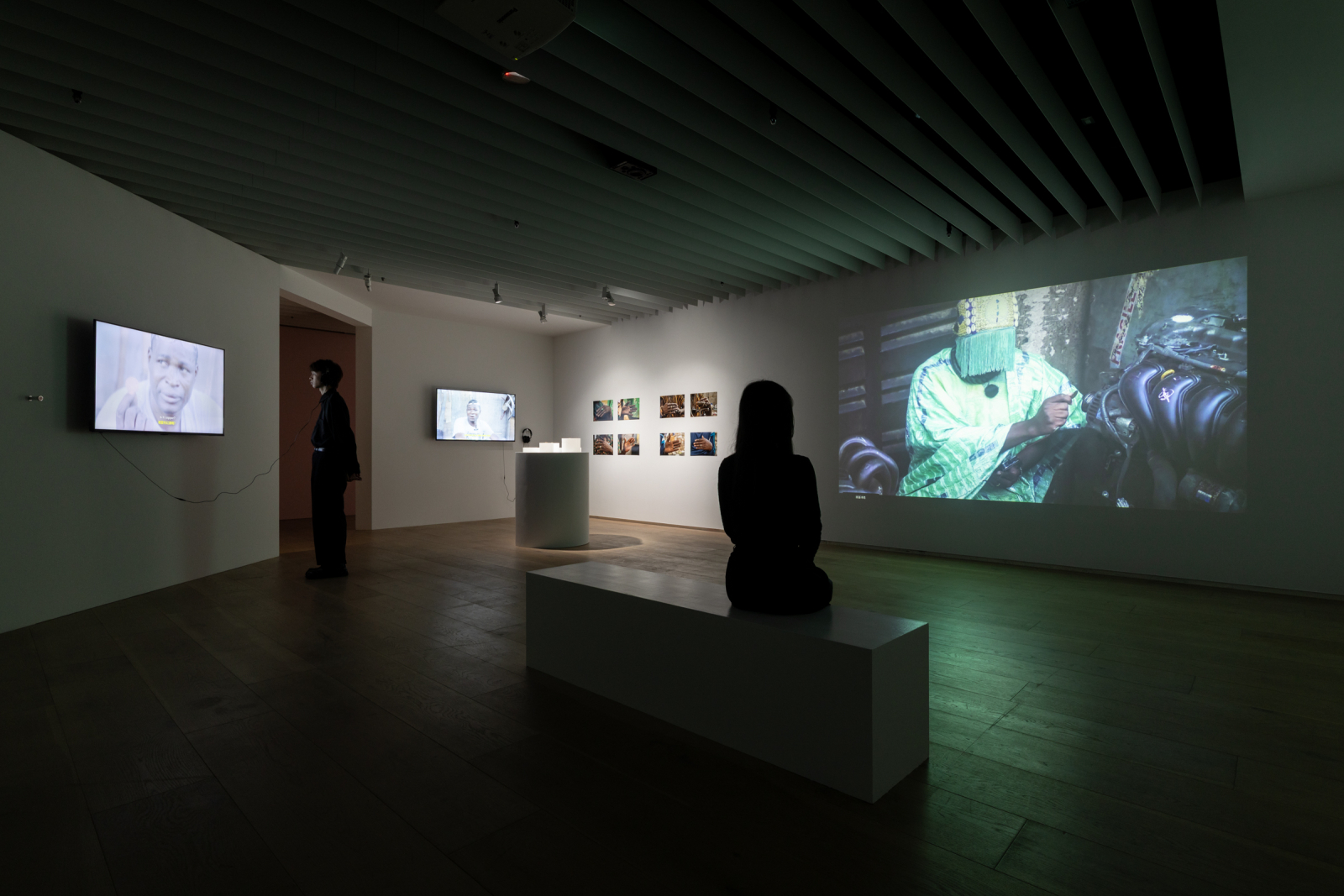
位於奈及利亞大都會拉哥斯市中心的拉迪波,是西非最大的二手汽車零件市場,市場中的零件多數來自歐洲與東亞的廢棄回收車輛。影片中一名身著傳統埃貢貢面具服飾的身影,穿梭於市場狹窄而擁擠的街道之中,並以各式收音設備探索及回饋市場的聲響。約魯巴族的「埃貢貢」是生者與祖先間的中介者,他們能聆聽不可見世界的聲音,並將其傳達給可見世界中的人們。在作品〈貨幣—感知 2:拉迪波〉中,這一靈性的即興表演實踐,成為對全球工業與經濟循環,以及最底層勞動社會的紀錄與探尋。
In the middle of the Nigerian metropolis of Lagos is Ladipo, West Africa’s largest market for used car spare parts, most of which are imported from Europe and East Asia or obtained locally from discarded cars.
A figure with a traditional Egungun masquerade makes his way through the crowded, narrow streets of the market and explores the sounds of the market with various microphones. The Egungun of the Yoruba people are intermediaries between the living.
|
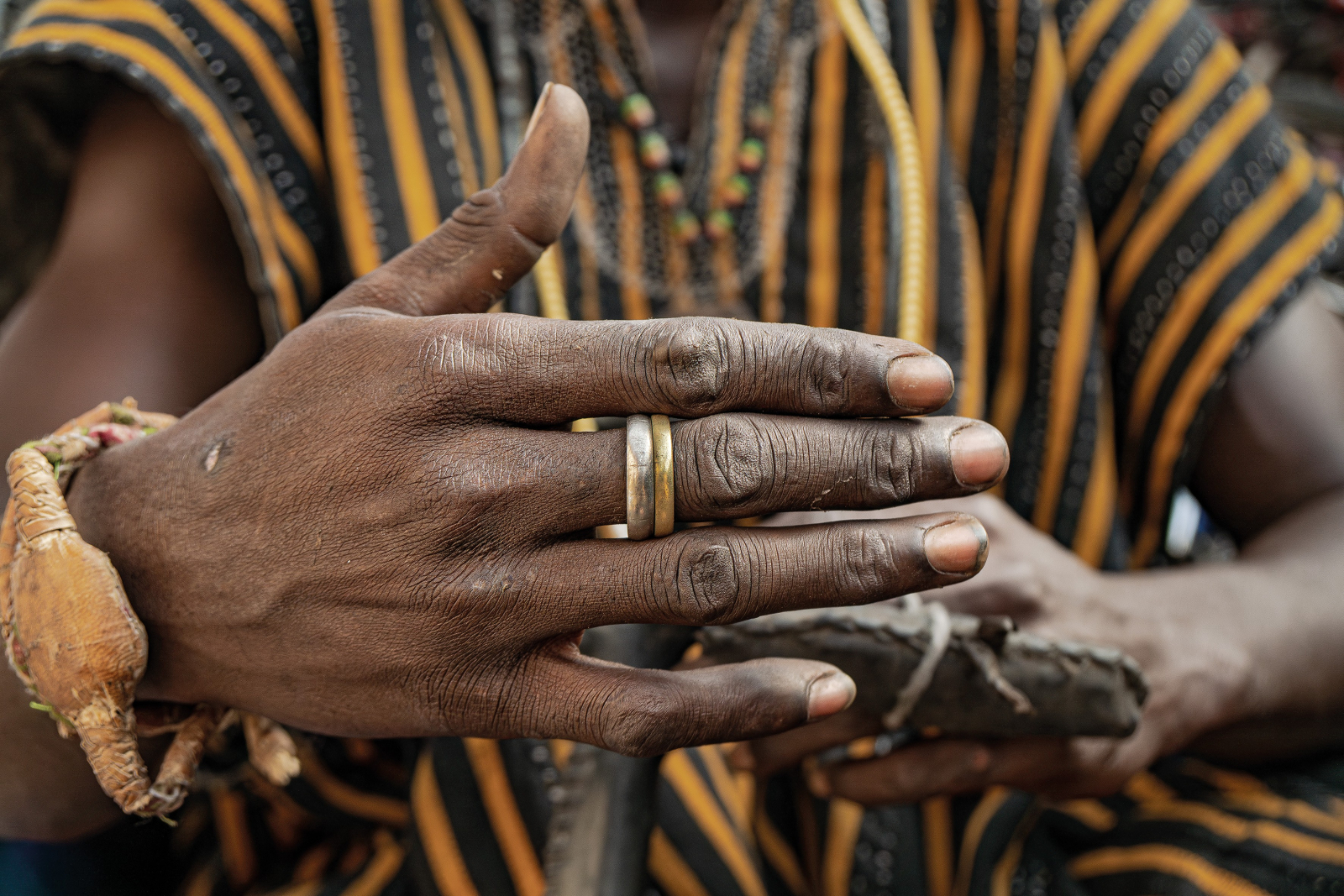
貨幣——阿格博格布洛謝——戒指(I) 貨幣——阿格博格布洛謝——戒指(II) 貨幣——阿格博格布洛謝——戒指(III) |
The Currency - Agbogbloshie - The Rings (I) The Currency - Agbogbloshie - The Rings (II) The Currency - Agbogbloshie - The Rings (III) |
作品說明About Artworks (from Artist)
位於迦納阿克拉市的阿格博格布洛謝是世界上最大的都市採礦場之一。在這裡,技術、價值系統和意識形態間的關聯性,以獨特的方式得到體現:在地傳統與來自世界各地的電子廢棄物相結合,創造出新的文化形式。阿格博格布洛謝的工人們從廢棄損壞的電器中提取金、銀、銅等金屬,除了重新販售給來自外地的買家之外,也常將它們訂製成自己使用的手工戒指及手鐲,這些飾品同時具備了裝飾用途以及宗教和薩滿的象徵意義。
Located in Accra, Ghana, Agbogbloshie stands as one of the world’s largest urban mining sites. Here, the nexus of technologies, value systems, and ideologies finds a sui generis expression: local traditions converge with global e-waste to engender a new cultural form. Workers in Agbogbloshie reclaim metals such as gold, silver, and copper from discarded electronics. However, these metals are not solely commodified for resale, but are frequently fashioned into rings and bracelets that simultaneously function as personal adornments and religious or shamanic symbols.
關於藝術家 About Artist
Elom 20ce
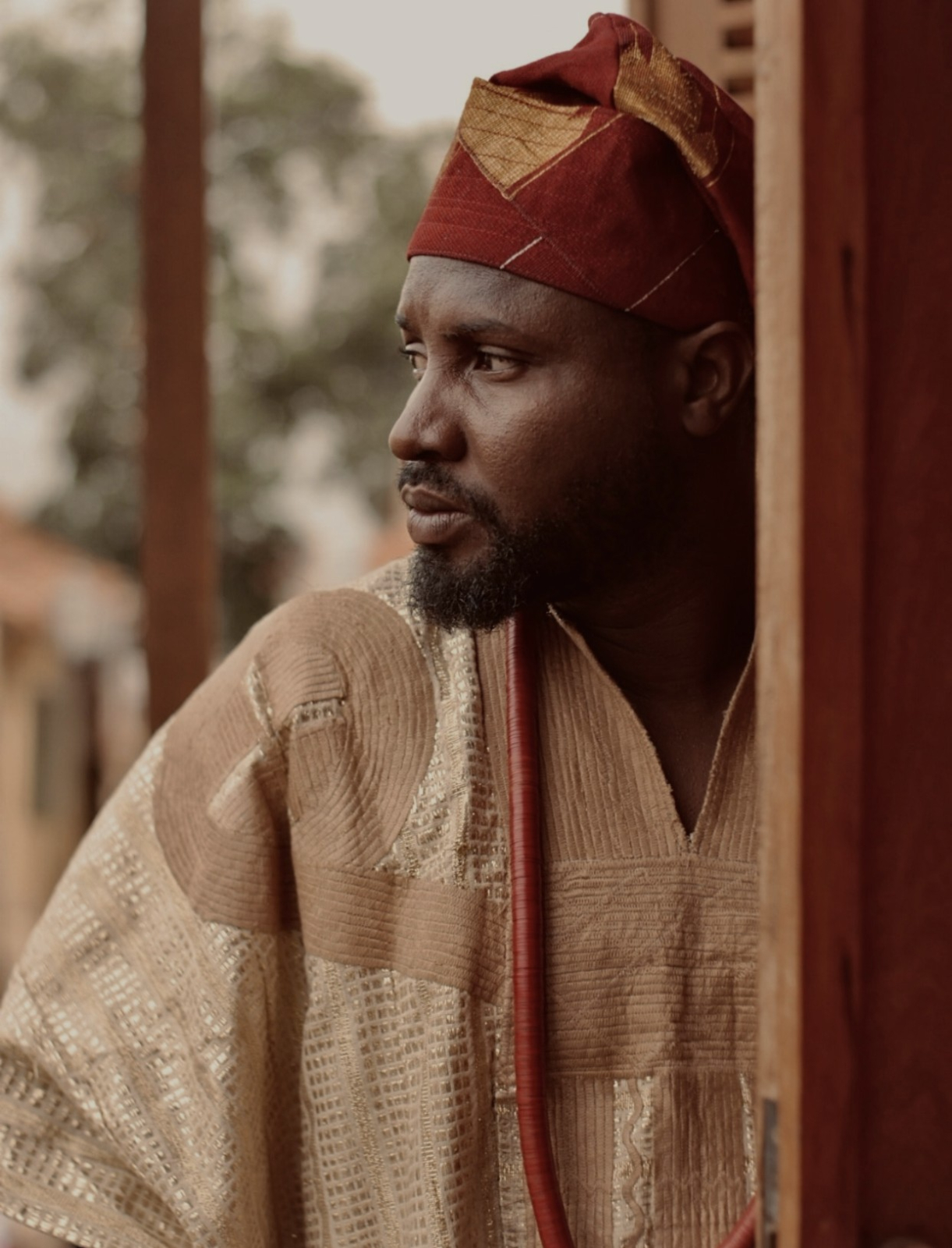
Elom 20ce 是一位生活和工作於西非洲多哥的音樂家和電影導演。他將藝術作為一種媒介,用以挖掘過去、質疑現在並儲存未來。親密、精神與政治之間的聯繫是其創作的核心。他自詡為一位「敲擊無形之人」。
Elom 20ce is a musician and filmmaker based in Togo, West Africa. He uses art as a vessel to excavate the past, question the present and archive the future. The link between the intimate, the spiritual and the political is at the heart of his work. He calls himself a “knocker of the invisible”.
致穎
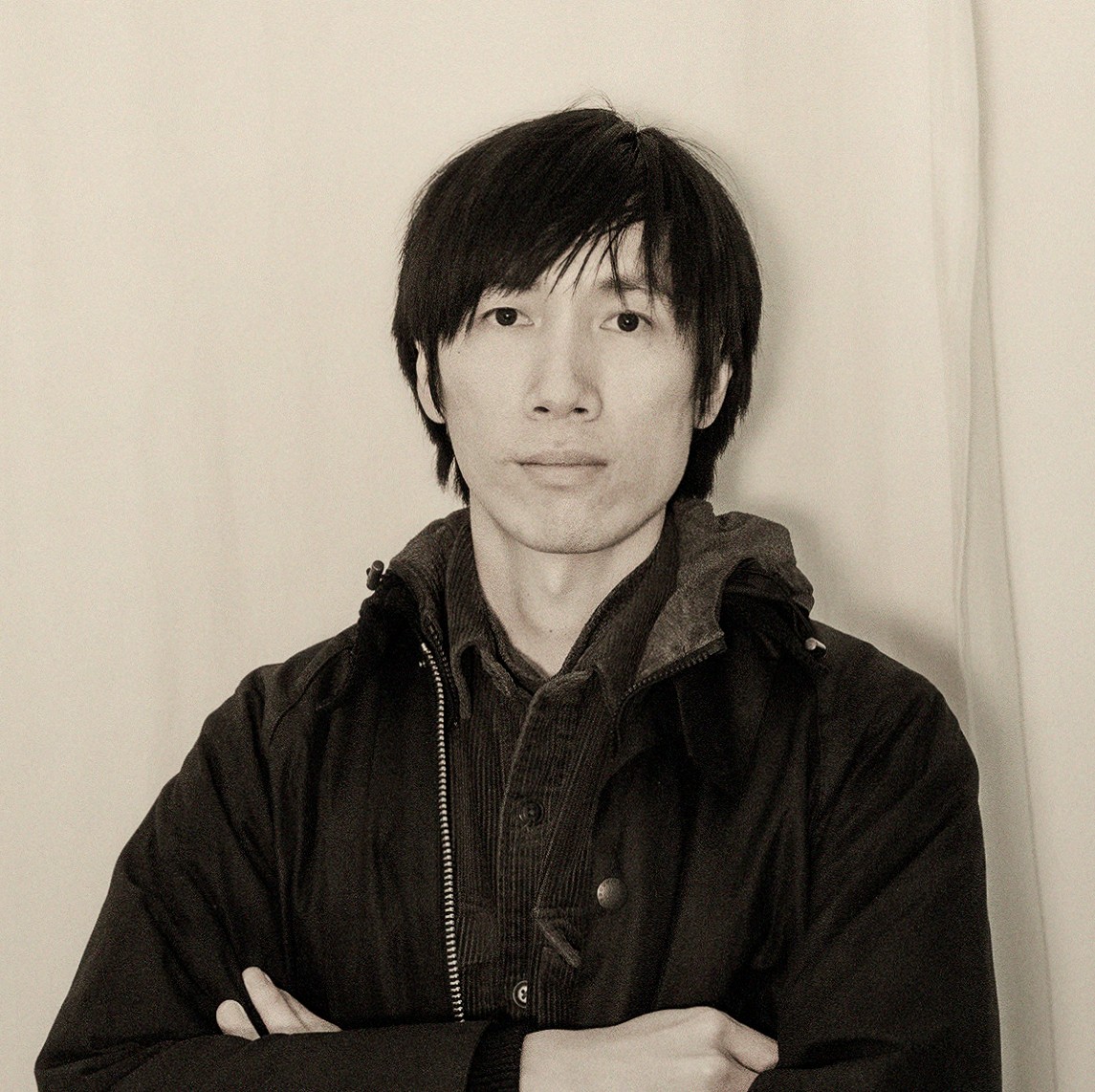
致穎居住和工作於臺北及柏林。他擅長運用聲音及影像等媒材進行創作,以探討全球資本化時代人類生存語境與環境體系之關聯,並多方關注全球南方當代社會之主體性研究與探查。近年的作品多探討非洲、亞洲地區及非亞海洋間族群以及技術交流的特殊歷史境況。
Musquiqui Chihying
Musquiqui Chihying is an artist and filmmaker based in Taipei and Berlin. Specializing in the use of multimedia such as film and sound, he investigates the human condition and environmental system in the age of global capitalization and engages in the inquiry of and research on issues of subjectivity in contemporary social culture in the Global South. His recent works have explored the unique historical context of ethnic groups and technological exchanges in Africa, Asia, and the African-Asian maritime region.