
|
巴黎計畫 |
The Paris Project |
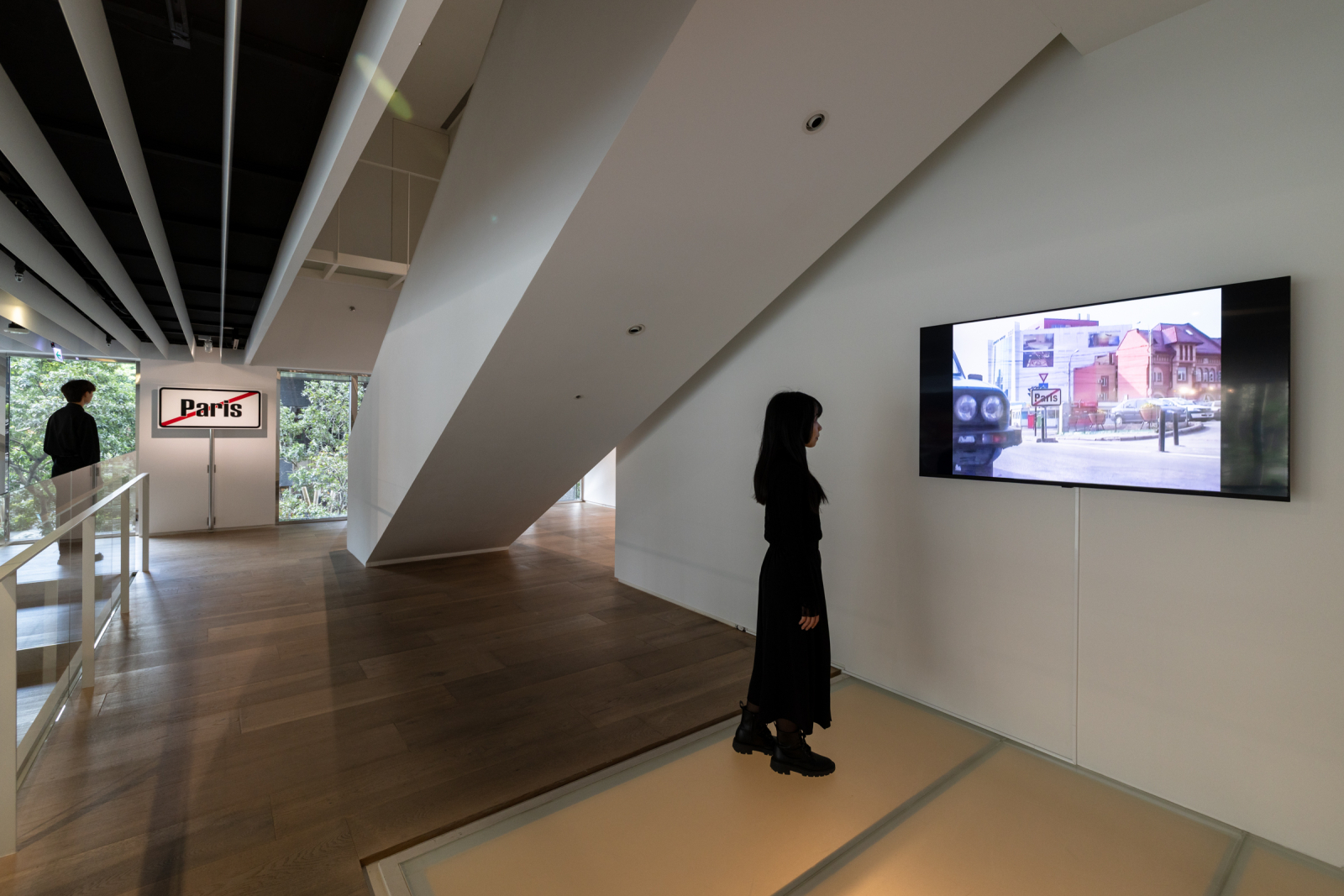
羅馬尼亞藝術家塞巴斯蒂安.摩爾多萬的經典作品〈巴黎計畫〉,創作於羅馬尼亞加入歐盟的前一年2006年。藝術家手持代表「告別巴黎」的路牌,在破敗的首都布加勒斯特到處遊蕩,象徵了後共產時期的經濟困境。
對於羅馬尼亞人而言,「巴黎」不僅是熱門的海外工作地點,更是象徵著美好生活及憧憬的應許之地。藝術家以行為藝術表演試圖召喚已不復存在的「小巴黎」,展現城市的無常和變化。
Romanian artist Sebastian Moldovan’s iconic work, The Paris Project, was created in 2006, the year before Romania joined the European Union. Holding a city limit sign indicating “Exit from Paris,” the artist wandered through the dilapidated streets of the capital, Bucharest, which symbolized the economic woes of the post-communist era.
For Romanians, “Paris” is not simply a popular destination for overseas employment, but a promised land representing the better life they yearn for. Through a performative gesture, the artist attempts to summon the long-lost “Little Paris,” evoking the transience and continual transformation of the city.
創作自述 Artist Statement
文/塞巴斯蒂安.摩爾多萬
我一直與大自然親近。相對於來自「外部」那些狂野、陌生且令人恐懼的元素,深幽的森林、動物、季節更迭與自然現象都是我生命的一部分,也是我學習的方式,更是我最根本的視角之一;透過它,我理解了時間、記憶、合作、平衡、和平協商,以及空間與資源共享。這些主題貫穿了我所有的作品,無論它們看起來多麼迥異。就人類對城市的征服與擴展而言,我正是透過這個視角察覺到失衡或不公,並藉由作品將其呈現,以供評析與辯論。我持續關注的主題包括自然與都市環境之間的協商、日常生活的生態,以及時間的感知、流逝與更迭,還有繪畫及其衍生媒介如何成為視覺理解與轉化的工具。我的創作實踐是對新空間和新脈絡的回應,多數作品屬於場域特定裝置與介入藝術。這些作品並非總是經過預先規劃,更多的是源自場域所激發的印象與反應。
〈巴黎計畫〉是我在2006年創作的作品。當時的我剛畢業,感到迷惘、受困於藝術創作與異鄉謀生的現實壓力之間。之前曾待過羅馬尼亞不同的城市,腦海中也還存留著兒時在祖父母居住的村莊度假的回憶。我搬到布加勒斯特後,對於這個城市景觀與節奏的第一反應,從本質上來說,是個人的、直接的。隨之而來的是幻滅感,這座曾被稱為「小巴黎」的城市如今只剩殘跡。自十九世紀起,許多羅馬尼亞人赴巴黎求學,這些世代深刻影響了布加勒斯特的建築與精神,使之聞名於世。然而,我在2005年所目睹的現實,卻與那種浪漫情懷相去甚遠。這座城市及其居民早已歷經了西奧塞古(羅馬尼亞前獨裁領導者)及其政黨理念的篩選與洗禮。十八、十九世紀的建築被拆毀,取而代之的是外觀醜陋、號稱具備功能性的集合住宅。即使有些二十世紀初的建築物倖免於被拆除的命運,也有數百棟成了殘破廢墟。此外,那些公寓大樓看起來也同樣淒涼。我對此的回應方式是親手製作這塊寫著「告別巴黎」的路牌,並帶著它穿梭於各個重要街區。2006年布加勒斯特雙年展的策展人佐爾特.佩特拉尼敦促我用這塊路牌進行一場行為表演。我選擇對著鏡頭表演,用影片定格那稍縱即逝的瞬間。我透過召喚一段消失的現實,試圖創造一種情境,讓人們得以參與,並探索歷史、懷舊與無常等概念。倘若「小巴黎」已不復存在,它至少可以是一種復興的心態。 (文/塞巴斯蒂安.摩爾多萬)
I have always been close to nature. Deep forests, animals, seasons and phenomena have been a part of life, a way of learning, as opposed to wild, foreign and feared elements from “out there.” This is one of my most fundamental lenses. It is how I learned about time, memory, cooperation, equilibrium, peaceful negotiation and sharing of spaces and resources. Such topics permeate all my works, however disparate they may seem. In the specific case of our urban conquests, it is the same lens that first perceives the imbalance or injustice that the work later frames for evaluation and debate. My recurring preoccupations are the negotiations between nature and the urban environment, the ecology of the everyday, the perception, passage and alteration of time, and the way that drawing and media derived from it become tools of visual comprehension and transformation. My practice consists of reactions to new spaces and contexts, most of my works being site-specific installations and interventions that are not always planned but instead emerge from the impressions and reactions that the venues inform.
The Paris Project is a work that I made in 2006. I was fresh out of school, felt disoriented, caught between making art and affording life away from home. I moved to Bucharest after having experienced friendlier cities and remembering my childhood vacations in the village where my grandparents lived. My first reactions to the new urban landscape and rhythm were, at their core, personal and direct. The next layer was the disillusionment, the derelict remains of the story in which this city used to be Little Paris. Bucharest was known for its architecture and spirit that were strongly influenced by generations of Romanians who studied in Paris, beginning in the 19th century. The reality I saw in 2005 was very far from such romantic ideas. The city and its people had been sifted through the filters of Ceausescu (Romania’s former dictator) and his party and ideas. 18th and 19th century structures were torn down in favor of unattractive and supposedly functional housing. There were hundreds of early 20th century buildings in ruin wherever they escaped demolition. The blocks of flats were just as sad looking. My response was to handcraft this “Exit from Paris” road sign and carry it around in significant neighborhoods. The curator of the Bucharest Biennale of 2006, Zsolt Petrányi, challenged me to make a performance with the sign. I chose to perform for the camera and keep the video as a snapshot of that fleeting moment. By evoking a missing reality, I tried to create a situation for people to engage in and to explore notions of history, nostalgia and transience. If Little Paris is no longer in place, it could be at least a reviving state of mind. (Text by Sebastian Moldovan)
關於藝術家 About Artist
塞巴斯蒂安.摩爾多萬
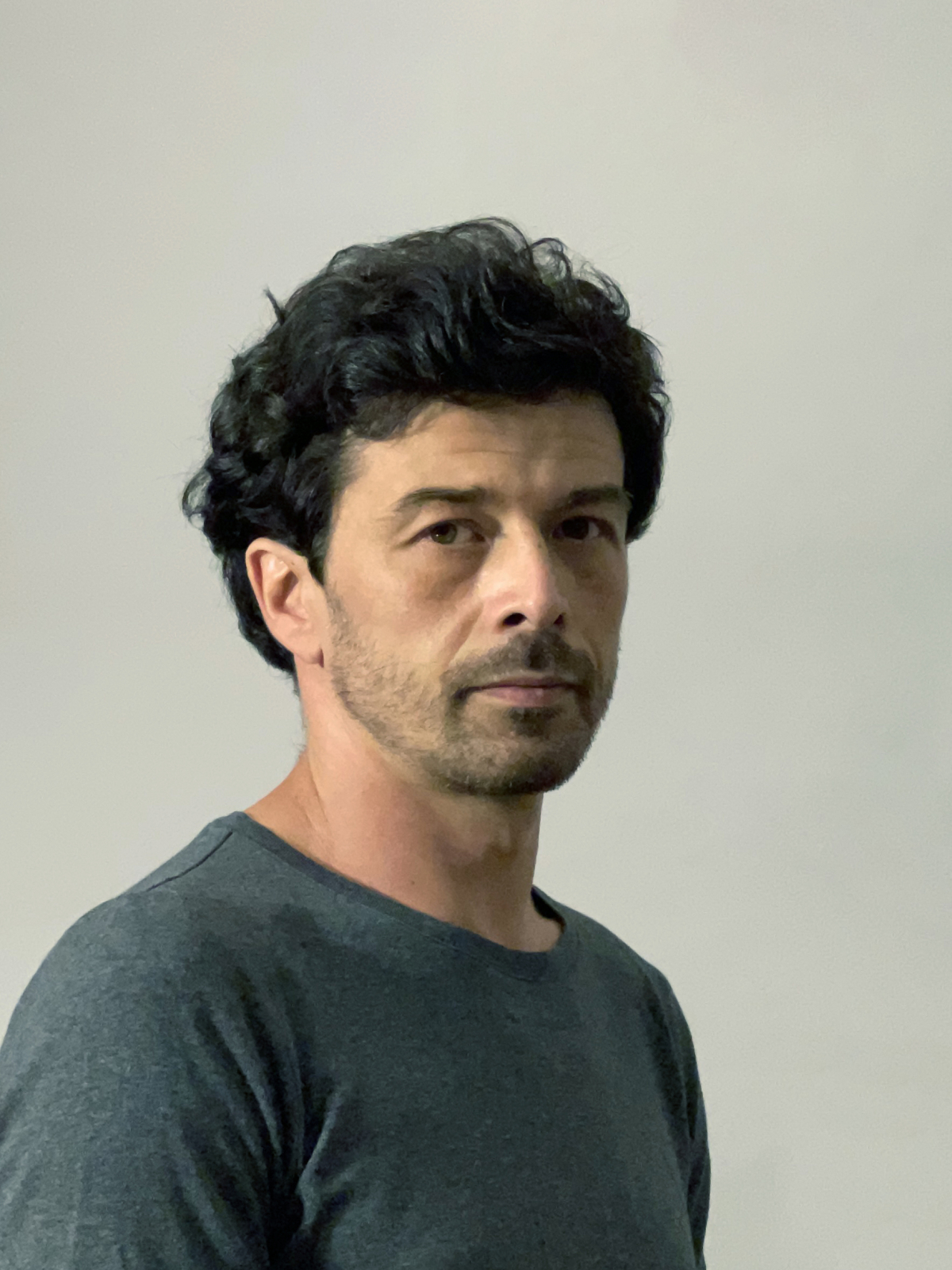
塞巴斯蒂安.摩爾多萬於1982年生於羅馬尼亞。他以錄像、裝置和特定場域介入為創作媒介,並將這些媒介視為繪畫特質的延伸。人類與人造或自然結構系統的共存、日常生活生態、自然現象、時間的感知與影響、殖民化,以及權力平衡是他作品中反復出現的主題。他的創作風格橫跨詩意與反叛,若非追求平衡與美感,就是突顯荒謬、濫用與不公。在此架構中,他使用的元素有時是現成物、既有特徵與材料,經過回收再利用,並與風、霧、光影反射或聲音等非物質元素融合。他會刻意隱藏某些作品,或把它們設置為如陷阱般引誘觀者在場參與。他的作品不僅在非傳統場館展出,也可見於各大雙年展與美術館,其中包括盧森堡卡西諾當代藝術中心、蘇黎世伏爾泰酒館、哈瓦那雙年展、羅馬尼亞蒂米什瓦拉藝術邂逅雙年展、威尼斯雙年展、布拉格雙年展、布加勒斯特雙年展、羅馬尼亞錫比烏布魯肯塔爾國家博物館當代藝廊、喬治亞第比利斯美術館、烏克蘭哈爾科夫美術館、中國廣州時代美術館、首爾國立現代美術館,以及香港奧沙藝廊。摩爾多萬目前居住及工作於布加勒斯特。
Sebastian Moldovan
Sebastian Moldovan, born in 1982, is a Romanian artist working with video, installations and site-specific interventions, all seen and used as extensions to the qualities of drawing. Recurrent in his works are subjects like cohabitation with man-made or natural structures and systems, ecology of everyday life, natural phenomena, the perception and effects of time, colorizations or the balance of power. His works span from poetic to rebellious, seeking equilibrium and beauty or highlighting absurdity, abuse or injustice. In this frame, the elements used are sometimes found objects, features and materials, recycled, reinvested and integrated with immaterial ones like wind, fog, light reflections or sound. Some works are simply hidden or installed as traps, demanding engagement and presence. His works have been shown in less conventional venues, but also in biennials and museums among which we mention: Casino Luxembourg – Forum d’art contemporain; Cabaret Voltaire, Zurich; Havana Biennale; Art Encounters Biennale, Timișoara, Romania; Venice Biennale; Prague Biennale; Bucharest Biennale; The Contemporary Art Gallery of the Brukenthal National Museum, Sibiu, Romania; Tbilisi Museum of Art, Georgia; Kharkov Art Museum, Ukraine; Times Museum, Guangzhou, China; National Museum of Modern and Contemporary Art - MMCA, Korea; Osage Gallery, Hong Kong. Sebastian Moldovan lives and works in Bucharest.